Pathways to Spiritual Growth: Exploring Islamic Studies and Practice
Islamic studies encompass a rich tradition of knowledge, spirituality, and practice that has guided Muslims for centuries. This comprehensive guide explores the foundations of Islamic faith, practice, and spiritual growth through the lens of traditional scholarship and contemporary understanding.
Understanding the Foundations of Islamic Faith
Islam is built upon core beliefs and practices that provide a framework for spiritual growth and everyday life. Understanding these foundations is essential for anyone seeking to deepen their practice or learn about the faith.
The Five Pillars of Islam: A Comprehensive Guide
The Five Pillars form the foundation of Islamic practice and spiritual life:
- Shahada (Declaration of Faith): The foundational testament of Islamic belief. Understanding its meaning is central to Islamic identity and spiritual purpose.
- Salah (Prayer): The daily ritual prayers connect Muslims with their Creator. Learning proper prayer times, purification methods, and the spiritual dimensions of prayer enriches this practice.
- Zakat (Charity): Purification of wealth through giving. Understanding the calculation and distribution of Zakat promotes social justice and spiritual growth.
- Sawm (Fasting): Self-discipline and spiritual purification during Ramadan. Exploring the deeper significance and health benefits of fasting enhances this practice.
- Hajj (Pilgrimage): The spiritual journey to Mecca. Understanding the rituals and spiritual significance of Hajj inspires commitment and unity.
Islamic Spirituality and Purification of the Heart
Beyond formal rituals, Islamic spirituality emphasizes the purification of the heart (tazkiyah) and mindfulness of God. Key concepts include:
- Tawhid: The Unity of God and its implications for daily life.
- Taqwa: God-consciousness that guides ethical behavior.
- Tawakkul: Trust in God while taking necessary actions.
- Ihsan: Excellence and sincerity in practice and conduct.
- Dua: Personal supplication that deepens connection with God.
Exploring the Holy Quran
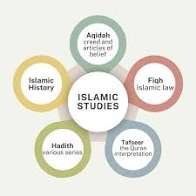
The Quran is the primary source of guidance for Muslims. Studying the Quran through proper tafsir (exegesis) and tajweed (recitation) enhances understanding and spiritual connection. Key themes include:
- Messages of Mercy and Justice: Balancing compassion with accountability.
- Stories of Prophets: Lessons in faith, patience, and resilience.
- Guidance for Daily Life: Ethical and practical instructions.
- Spiritual Reflection: Verses that inspire and deepen faith.
- The Hereafter: Understanding afterlife and preparing for it.
Hadith and Prophetic Traditions
The sayings and actions of Prophet Muhammad (peace be upon him) provide guidance for Muslims in all aspects of life. Studying hadith offers insights into:
- Prophetic ethics and character
- Practical guidance for daily life
- Understanding of Islamic law
- Spiritual practices and supplications
- Interpersonal relationships and community building
Islamic Ethics and Morality
Islamic ethics provide a comprehensive framework for moral conduct. Key ethical principles include:
- Justice (Adl): Fairness and equity in all dealings.
- Compassion (Rahma): Kindness to all creation.
- Honesty (Sidq): Truthfulness and integrity.
- Patience (Sabr): Endurance and perseverance in difficulties.
- Gratitude (Shukr): Appreciation for blessings.
Islamic History and Contributions
Islamic civilization has contributed significantly to human knowledge. Studying Islamic history reveals:
- Golden Age of Islam: Contributions to science, mathematics, medicine, and philosophy.
- Islamic Architecture and Art: Cultural and aesthetic achievements.
- Intellectual Tradition: Development of Islamic scholarship and thought.
- Modern Movements: Contemporary Islamic thought and reform.
- Muslim Communities: Diverse cultural expressions of Islam worldwide.
Daily Practice and Spiritual Routine
Building a consistent spiritual routine strengthens faith and practice. Guidelines include:
- Regular Quran Recitation: Daily reading and reflection.
- Establishing Prayer: On-time prayers with concentration.
- Remembrance of God (Dhikr): Frequent mindful remembrance.
- Fasting Sunnah: Voluntary fasts for spiritual benefit.
- Charitable Acts: Regular charity and service.
Contemporary Issues and Islam
Muslims today navigate complex issues while remaining faithful. Contemporary topics include:
- Modern Technology: Ethical use and Islamic perspective.
- Environmental Stewardship: Islamic principles of caring for creation.
- Interfaith Relations: Dialogue and cooperation with other communities.
- Mental Health: Islamic approach to well-being.
- Women's Rights: Gender equity and empowerment.
Islamic studies offer a pathway to spiritual growth and understanding that enriches the lives of Muslims and contributes to a more just and compassionate world. By engaging with the tradition through study, practice, and reflection, we can deepen our faith and positively impact our communities.

Comments (0)
No comments yet. Be the first to comment!