
Three years ago, I invested $180 in a wellness 'starter kit' from an influencer I was following. A gua sha, magnesium spray, a journal filled with prompts asking 'what is your body telling you today'. I used maybe two things from the set. The magnesium spray, mainly, that I later found out I could have bought for about a third of the price at the local pharmacy.
What I found out from this was that wellness industry pricing and actual wellness are separate entities wearing the same dress. What made the biggest difference for me wasn't in that box. It was going to bed at the same time. Taking my dog out for an additional twenty minutes walk. Choosing beans over the frozen chicken nuggets I had been living on during a stressful period at work. Boring, free things. Below is what I have done that's stuck and what I haven't, in my journey of finding which wellness practices are right for me.
Sleep First, Because I Learned This The Hard Way
For about two years, I averaged five and a half hours sleep a night and told myself it was because of some genetic inability to require more. I was wrong, of course, and when I fixed this the speed my skincare kicked in and the odds of catching a cold every winter all increased exponentially.
What worked: same wake-up time (6:40 am) even on Sundays (took about three weeks to start noticing a difference), lights out an hour before bed (not dimmed, off), no coffee past 1pm (discovered the half-life of caffeine is about 5-6 hours, so that 3pm latte was still affecting my 9pm bedtime).
If you're still groggy with eight hours sleep, the problem is almost certainly not that you're not sleeping long enough. Check your room temperature first, mine is now always around 18 degrees Celcius and it made more of a difference than I expected.
Skip the Gym, At Least at First
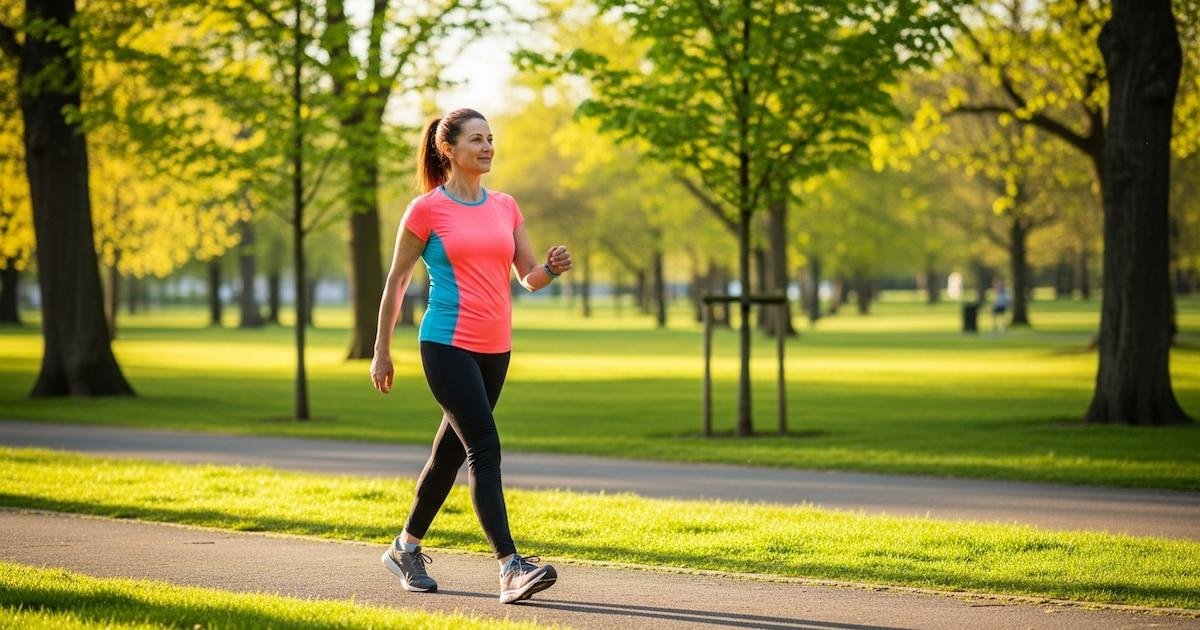
I paid for a gym membership for four years and went, generously speaking, 30 times in total. What works for me now costs nothing. I walk about 5 km most mornings (with the dog), and twice a week do a bodyweight circuit, found on a scrap of paper, that includes squats, push-ups, lunges, planks. Nothing complicated.
One thing I wish someone had told me, was that the local council offers free outdoor fitness sessions. On Tuesdays and Thursdays, mornings, in the park two streets away. I walked by the sign for a year before researching these sessions and seeing it was a thing. Worth looking into, if there's something similar where you are, to seeing a private trainer.
Food: Cheaper Than People Assume, If You Plan A Bit
My grocery budget went down when I started eating well, which surprised me. A bag of dried lentils costs less than $3 and makes about six servings. Compare that to the $9 pre-made salad I used to buy at lunch, out of laziness.
Batch cooking on Sundays saved me more than any diet plan ever will. I make a pot of something, usually a lentil or bean stew, and eat off it for four days. Frozen vegetables get a bad rep that they don't deserve. The nutritional difference is negligible and the cost difference astronomical. Shopping the reduced section, or whatever is on special that week, rather than a strict shopping list, cut my food waste dramatically.
Managing Stress Without Paying Anyone
I tried a meditation app for about two weeks, paid for the annual subscription, and never opened it again after month one. What has stuck with me is much more basic. I record a five minute voice memo most evenings, talking myself through my day. I don't have an app for this, just a basic recording function on my phone.
Breathing in for four counts, out for six is useful too. I do this a lot when in traffic, because that's where I often find myself most stressed. Walking outside without my phone, even if it's just on my phone's front camera, noticeably affects my mood after about ten minutes. There is a scientific reason for this, with cortisol and time outdoors reducing stress hormones. But I didn't know any of this and still use the trick.
What Actually Makes Any Of This Stick
I have tried and given up on dozens of health regimes, in my search of the perfect wellness practices. What has worked for me was choosing one thing, to start with. Sleep for about a month, then walking, then food. Trying to do everything at once, is in my experience, a pretty surefire way of stopping by week two.
I write on a paper calendar, stuck to my fridge, checking off each day I complete my main habit. Ugly, but more effective than the three apps I tried. Tracking is important. Having a visual reminder of my successes and failures is more effective than any habit tracking software.
None Of This Required Money I Didn't Have
If you want to explore this more, our guide to building sustainable habits touches on the importance of starting small, or if you need more specific advice, contacting a local wellness professional. Either way, you're already further ahead than you were ten minutes ago.



Comments (0)
No comments yet. Be the first to comment!