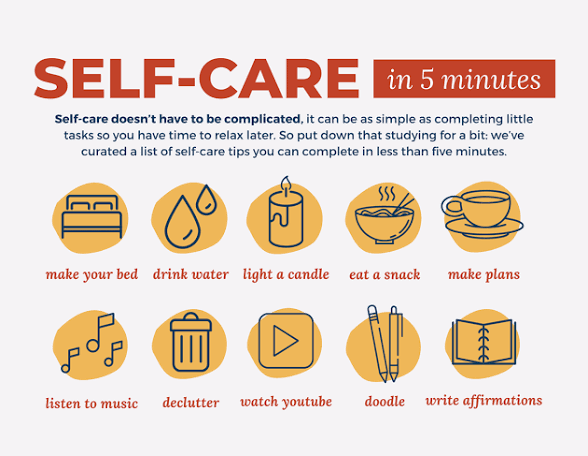
Student life can be exciting, but it can also become stressful. Classes, assignments, exams, deadlines, social activities, family responsibilities, and future career worries can sometimes make it difficult to find time for yourself. During busy periods such as midterms and final exams, students may forget an important part of success: taking care of themselves.
Self-care does not mean ignoring your responsibilities or spending an entire day relaxing. It means taking simple steps to protect your physical, mental, and emotional well-being so you can handle your responsibilities with more energy and focus.
If you are feeling overwhelmed by studying or simply want to develop healthier daily habits, these 20 self-care tips for students can help you create a more balanced lifestyle.
What Is Self-Care?
Self-care is the practice of looking after your physical, mental, and emotional well-being. It can include getting enough sleep, eating properly, taking breaks, exercising, spending time with people you trust, organizing your schedule, and giving yourself time to relax.
Self-care can be especially important during stressful academic periods. Current university wellness guidance recommends practical strategies such as taking breaks, managing time, getting enough sleep, moving regularly, using breathing exercises, and reaching out for support when stress becomes difficult to manage.
The good news is that self-care does not have to be expensive or complicated. Small habits can make a difference.
1. Get Enough Sleep
One of the most important self-care tips for students is to prioritize sleep.
Staying awake all night to study may seem like a productive strategy, but constantly sacrificing sleep can leave you tired and make studying more difficult. Try to maintain a regular sleep schedule, especially during exam season.
Instead of studying until extremely late every night, create a realistic study plan that gives you enough time to rest.
2. Take Regular Study Breaks
Studying for hours without stopping can make you feel mentally exhausted.
Include short breaks in your study routine. Stand up, stretch, drink some water, walk around your room, or simply look away from your screen for a few minutes.
A break is not wasted time. It can give your mind an opportunity to reset before you return to your work.
3. Practice Deep Breathing
When stress starts building up, try a simple breathing exercise.
Slowly breathe in, pause briefly, and then breathe out slowly. Repeat this several times while focusing your attention on your breathing.
Breathing exercises are easy to practice because you can do them at home, at school, in a library, or before an exam. Student wellness programs commonly recommend breathing and mindfulness techniques as simple ways to manage moments of stress.
4. Drink More Water
Students sometimes become so focused on assignments and exams that they forget basic needs such as drinking enough water.
Keep a water bottle near your study area and drink regularly throughout the day. Staying hydrated can also help you maintain a more comfortable and focused study routine.
5. Eat Regular, Balanced Meals
Skipping meals because you are busy can make an already stressful day feel worse.
Try to eat regular meals and keep simple snacks available when you are studying. Choose foods that help you feel satisfied and energized rather than relying entirely on sugary snacks or energy drinks.
Your self-care routine should include taking care of your basic nutritional needs.
6. Go Outside for a While
Spending the entire day inside studying can make you feel tired and disconnected.
If possible, step outside for a short walk or simply spend some time in a fresh environment. Even a short change of surroundings can provide a useful mental break.
You don't need an expensive trip or a long workout. A simple walk around your neighborhood can be enough to break up a stressful study session.
7. Move Your Body
Exercise and physical movement can be an important part of a healthy lifestyle.
You don't necessarily need a gym membership. You can walk, stretch, cycle, play a sport, or follow a simple workout at home.
Regular movement is also recommended in student wellness guidance as one way to support overall well-being and manage stress.
8. Create a Simple Daily Routine
When everything feels disorganized, even small responsibilities can feel overwhelming.
Create a simple daily routine that includes study time, meals, breaks, sleep, and personal activities.
You don't need to plan every minute. Start with a few important tasks and give yourself enough flexibility to deal with unexpected situations.
9. Break Large Tasks Into Smaller Steps
Looking at a huge assignment can make you want to avoid starting it.
Instead, divide the task into smaller steps.
For example:
- Choose a topic
- Collect information
- Create an outline
- Write the introduction
- Complete the main sections
- Review your work
- Submit the assignment
Breaking large tasks into smaller pieces can make them feel more manageable. Student wellness resources also recommend breaking stressful academic tasks into smaller, achievable steps.
10. Stop Comparing Yourself With Others
Social media can make it look as though everyone else is successful, productive, happy, and achieving their goals.
Remember that you usually see only a small part of another person's life.
Instead of constantly comparing your progress with someone else's, focus on your own goals and improvement.
Your journey does not have to look exactly like someone else's.
11. Spend Time With People You Trust
Self-care doesn't always mean being alone.
Talking with a friend, family member, classmate, teacher, or another trusted person can help you feel less isolated when you're dealing with academic pressure.
Sometimes simply explaining what's bothering you can make a difficult situation feel more manageable.
If stress becomes overwhelming, reaching out for appropriate professional or student support is also a healthy form of self-care.
12. Limit Unnecessary Screen Time
Phones and social media can easily consume hours of your day.
Try creating periods when you put your phone away while studying or before sleeping.
You don't have to completely stop using social media. Instead, try to become more intentional about when and why you use it.
For example, you could turn off unnecessary notifications while studying.
13. Make Your Study Space Comfortable
Your environment can affect how you feel while studying.
Keep your study area reasonably clean and organized. Make sure you have enough light and keep the items you actually need nearby.
A comfortable study environment can make it easier to concentrate and reduce distractions.
14. Practice Positive Self-Talk
Students can sometimes become extremely critical of themselves after receiving a low grade or falling behind.
Instead of saying:
“I'm useless at this.”
Try thinking:
“I'm struggling with this right now, but I can improve with practice.”
Being kind to yourself does not mean ignoring your mistakes. It means recognizing the mistake without turning it into a negative judgment about your entire worth.
15. Don't Try to Do Everything at Once
One major source of student stress is trying to complete too many things simultaneously.
Look at your responsibilities and decide what is genuinely important.
During particularly busy weeks, it may be necessary to say no to some activities or postpone non-essential tasks. Setting reasonable boundaries can help protect your time and energy.
16. Try Journaling
Writing down your thoughts can be a simple way to clear your mind.
You can use a notebook or your phone to write about:
- What is stressing you
- What you need to complete
- What you are grateful for
- What you want to improve
- What you are feeling
You don't need to write several pages. Even a few sentences can help you organize your thoughts.
17. Do Something You Enjoy
Your entire life shouldn't revolve around studying.
Make some time for activities that genuinely make you happy. You might listen to music, watch a favorite show, play a game, draw, cook, read, meet friends, or pursue a hobby.
A short enjoyable activity can give you a mental reset before returning to your responsibilities.
18. Avoid Last-Minute Cramming
Leaving everything until the night before an exam can create unnecessary pressure.
Instead, try spreading your study sessions over several days. Create a realistic schedule and review smaller amounts of material regularly.
University guidance similarly recommends planning study sessions rather than relying on last-minute cramming, which can help make exam preparation more manageable.
19. Give Yourself Permission to Rest
Many students feel guilty when they are not studying.
But rest is not the opposite of productivity.
Your mind and body need recovery time. If you are exhausted, forcing yourself to continue for hours may not be the most effective approach.
Give yourself permission to take a reasonable break, sleep, relax, and start again.
20. Ask for Help When You Need It
Perhaps the most important self-care tip is to understand that you don't have to handle everything alone.
If academic stress, anxiety, sadness, or other difficulties are becoming overwhelming or interfering with everyday life, consider talking to a trusted person or an appropriate counselor or mental-health professional.
Asking for help is not a weakness. It is one way of taking responsibility for your well-being.
Self-Care During Exams: A Simple Routine
During midterms or final exams, you don't need a complicated self-care plan.
Try this simple routine:
Morning:
Wake up at a consistent time, drink water, eat breakfast, and review your priorities.
During study sessions:
Study in manageable blocks and take short breaks.
Afternoon:
Eat a proper meal and include some physical movement.
Evening:
Review what you accomplished and prepare your plan for the next day.
Before sleeping:
Reduce unnecessary screen time, relax, and give yourself enough time to sleep.
The goal isn't to create a perfect routine. The goal is to create a routine that you can realistically follow.
Final Thoughts
Self-care is not something you should practice only when you are extremely stressed. It can become part of your everyday lifestyle.
Getting enough sleep, eating regular meals, taking breaks, moving your body, managing your time, connecting with others, and being kinder to yourself are all simple ways to support your well-being.
Remember that being a successful student isn't only about getting good grades. Your health and well-being matter too.
If you're currently going through a stressful academic period, start small. Choose just two or three self-care tips for students from this list and try them today. Small changes can become healthy habits over time.
Your studies are important, but so are you.





Comments (1)
Good