Eating Well in Pregnancy: Foods to Eat and Foods to Avoid
Introduction
Pregnancy is one of the most important nutritional periods in a woman's life. Every meal supports two bodies at once: yours and your growing baby's. While you don't need to "eat for two" in terms of quantity, you do need to eat for two in terms of quality. Knowing which foods to embrace and which to avoid can lower the risk of complications and give your baby the best start.
Why We Choose These Foods
Food choices in pregnancy are guided by two goals: supplying key nutrients and reducing exposure to harm.
Your body needs more folate, iron, calcium, protein, iodine and omega-3 fats. Folate helps prevent neural tube defects, iron supports the extra blood your body produces, and calcium builds the baby's bones and teeth. On the other side, pregnancy slightly weakens the immune system, making you more vulnerable to infections such as listeria and salmonella, which can cross the placenta. Some substances, such as alcohol and high-mercury fish, can also directly affect fetal development. That is why certain foods are recommended and others are restricted.
Foods to Eat
- Leafy greens and vegetables: spinach and fenugreek provide folate, iron and fibre.
- Fruits: oranges, apples and berries supply vitamin C, which improves iron absorption.
- Dairy: pasteurised milk, yogurt and cheese are rich in calcium and protein.
- Eggs, lean meat and poultry: fully cooked, they provide protein, choline and iron.
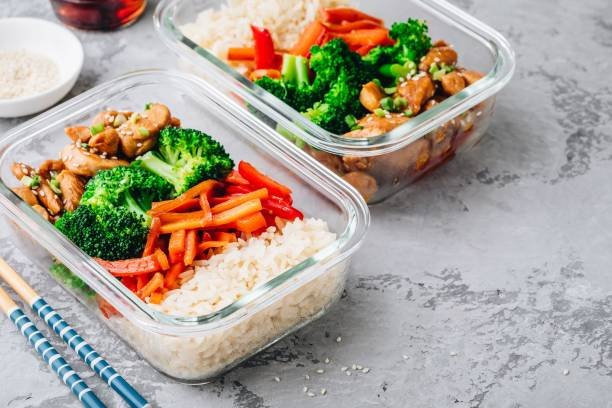
- Legumes and whole grains: lentils, chickpeas, oats and brown rice give steady energy and fibre.
- Low-mercury fish: salmon and sardines, cooked, provide omega-3s for brain development.
- Nuts and seeds: a healthy source of fats, magnesium and protein.
- Water: essential for circulation, digestion and amniotic fluid.
Foods to Avoid
- Raw or undercooked meat, fish and eggs: risk of bacterial infection.
- High-mercury fish: shark, swordfish and king mackerel.
- Unpasteurised milk and soft cheeses: possible listeria contamination.
- Alcohol: no safe amount has been established.
- Excess caffeine: keep it under about 200 mg a day, roughly one to two cups of tea or coffee.
- Raw sprouts and unwashed produce: can carry harmful bacteria.
- Excess liver or vitamin A supplements: too much vitamin A can harm the baby.
How to Eat
How you eat matters as much as what you eat. Choose smaller, more frequent meals (five or six a day) to ease nausea and heartburn. Wash fruits and vegetables thoroughly, cook meat and eggs until fully done, and keep raw and cooked foods separate. Build each plate around vegetables, protein and whole grains, and keep sweets and fried foods occasional. Take prenatal vitamins only as your doctor advises.
Pros and Cons
Pros of following these guidelines:
- Lower risk of birth defects, infections and gestational problems
- Healthier birth weight and brain development
- More energy and fewer complications such as anaemia
Cons and challenges:
- Cravings and food aversions can make balanced eating difficult
- Restrictions can feel stressful or limit social meals
- Overeating "healthy" foods can still cause excess weight gain
- Guidelines vary slightly between countries, which can cause confusion
Effects on the Body
Good nutrition keeps blood sugar and blood pressure steadier, lowering the risk of gestational diabetes and preeclampsia. Fibre and fluids ease constipation, while iron and folate reduce fatigue and anaemia. For the baby, adequate nutrients support organ formation, bone growth and brain development. Poor choices, by contrast, can lead to infections, low birth weight, premature birth or developmental problems.
Conclusion
A healthy pregnancy diet does not need to be perfect, just thoughtful. Eat a variety of fresh, well-cooked, nutrient-rich foods, avoid known risks, and stay hydrated. Every pregnancy is different, so always check with your doctor or a registered dietitian before making major changes.

Comments (0)
No comments yet. Be the first to comment!